#NaPoWriMo #GloPoWriMo 2024, Day 30 (Bonus)
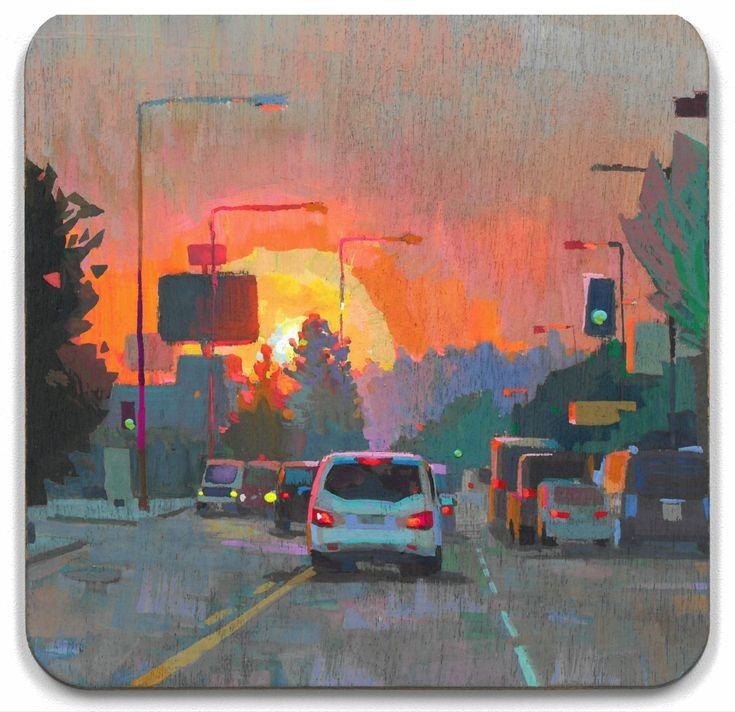
Deep burnished sunset
Peeps through gossamer raindrops,
Horizon’s blushed glow
Monsoon hushed arrival, near
A rainbow takes baby steps.
© Aneesha Shewani
https://www.bluepenstrokes.com
#NaPoWriMo #GloPoWriMo 2024, Day 30 (Bonus)
Deep burnished sunset
Peeps through gossamer raindrops,
Horizon’s blushed glow
Monsoon hushed arrival, near
A rainbow takes baby steps.
© Aneesha Shewani
https://www.bluepenstrokes.com
#NaPoWriMo #GloPoWriMo 2024, Day 30
Wild stars in my grasp
Glitter fading to gravel
Escape from my palms
For constellations denied
To rewrite my destiny
© Aneesha Shewani
https://www.bluepenstrokes.com
#NaPoWriMo #GloPoWriMo 2024, Day 29
Drenched in summer
Dense rhododendron beckon
Peach jam, plum preserve
A rickety bus hill-bound
Travelers seek sweet respite
© Aneesha Shewani
https://www.bluepenstrokes.comIn 2023, I successfully participated in NaPoWriMo by writing verses inspired by book covers. You can view the collection of 30 verses in the category: Making Verse – NaPoWriM2023. Throughout April 2024, I invite you to join me on this poetic voyage. Together, we’ll traverse boundless landscapes, celebrating the beauty of language, expression, and creativity—one Tanka at a time.

April marks the arrival of National Poetry Writing Month or NaPoWriMo, where poets worldwide unite in the spirit of creativity and expression, “excited about the prospect of writing 30 poems in 30 days.” This year, I have chosen to explore the world of Tanka poetry and paint the canvas of April with the vivid hues of Tanka verse.
Tanka, a classical Japanese form closely related to haiku, weaves its magic through five lines. Its syllable pattern—5-7-5-7-7—creates a rhythmic dance of words. Yet, beyond mere structure, Tanka embodies several key characteristics that enrich its poetic essence.
In 2023, I successfully participated in NaPoWriMo by writing verses inspired by book covers. You can view the collection of 30 verses in the category: Making Verse – NaPoWriM2023. Throughout April 2024, I invite you to join me on this poetic voyage. Together, we’ll traverse boundless landscapes, celebrating the beauty of language, expression, and creativity—one Tanka at a time. Bookmark the category: Making Verse – NaPoWriM2024.
Lines written for #FromOneLine 307

Turn out the light
Feel Darkness crawl up
Your lap and cuddle
In the warmest embrace
Whisper about the scars
Let them out, the tears
With your deepest fears
When the words are done
Let it slip away, gently
Into the night, bearing
The heaviness of one
With stories never to be told
 Blue Pen Strokes